


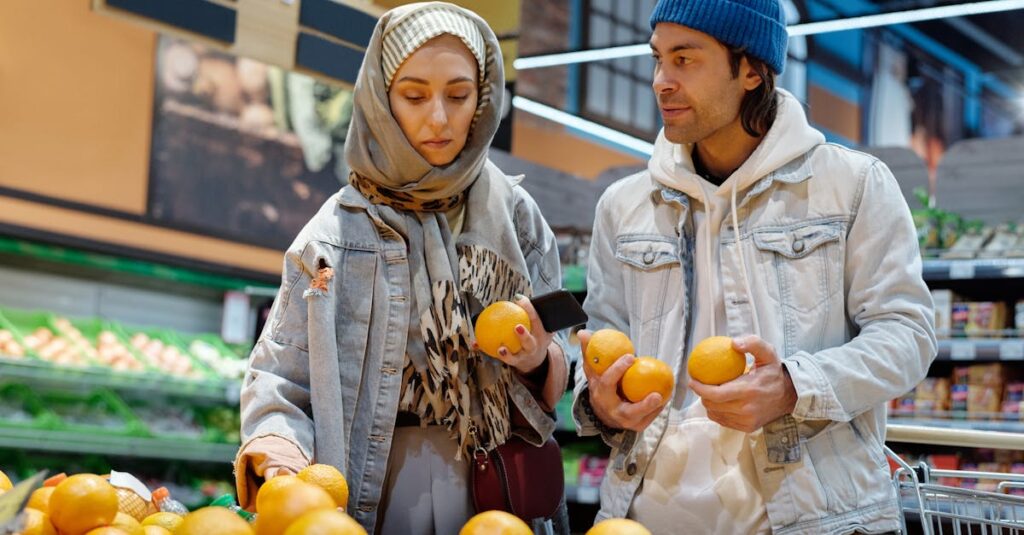
Storing fruits properly is essential to maintain their freshness, flavor, and nutritional value. Whether you’re a homeowner with a bountiful harvest or a grocery shopper trying to extend the shelf life of your purchases, understanding the best practices for fruit storage can save you money and reduce waste. In this article, we’ll explore various techniques and tips to help you store fruits in a way that preserves their quality for as long as possible. From the right storage conditions to the use of specialized containers, we’ll cover everything you need to know to keep your fruits fresh and delicious.
Understanding the Basics of Fruit Storage
Fruits are living organisms that continue to ripen even after being picked. This natural process can be both a blessing and a curse, as it can lead to over-ripening and spoilage if not managed properly. To maximize freshness, it’s crucial to understand the specific needs of different types of fruits.
- Ethylene Producers: Some fruits, like bananas, apples, and pears, release ethylene gas as they ripen. This gas can accelerate the ripening process of other fruits, so it’s important to store these separately.
- Ethylene Sensitive: Other fruits, such as berries, citrus fruits, and tropical fruits, are sensitive to ethylene and can spoil quickly if stored near ethylene-producing fruits.
- Optimal Storage Conditions: Most fruits prefer a cool, humid environment, but there are exceptions. For example, tropical fruits like mangoes and pineapples prefer warmer temperatures, while citrus fruits like oranges and lemons can tolerate colder conditions.
Temperature and Humidity Control
Temperature and humidity are two of the most critical factors in fruit storage. Different fruits have different optimal temperature ranges, so it’s important to do some research or experimentation to find the best conditions for the fruits you enjoy most.
- Refrigeration: Many fruits can be stored in the refrigerator, but not all of them. Tropical fruits like bananas, mangoes, and papayas should be kept at room temperature to prevent cold damage. Conversely, apples, pears, and berries can benefit from refrigeration, as it slows down the ripening process and extends their shelf life.
- Humidity: High humidity can help preserve the moisture in fruits, preventing them from drying out. However, too much humidity can also lead to mold growth. Using a humidity-controlled storage container or placing a damp paper towel in the storage container can help maintain the right balance.
- Avoiding Temperature Fluctuations: Sudden changes in temperature can shock fruits and cause them to ripen too quickly or spoil. Try to keep your storage area stable and avoid placing fruits near drafty windows or heat sources.
Choosing the Right Storage Containers
The right storage container can make a big difference in how long your fruits stay fresh. There are a variety of options available, from simple plastic bags to specialized produce storage containers.
- Plastic Bags: Plastic bags are a convenient and affordable option for storing fruits. They help retain moisture and prevent fruits from drying out. However, they can also trap excess moisture, which can lead to mold growth. To avoid this, poke some holes in the bag to allow for proper ventilation.
- Storage Containers: There are a variety of commercially available storage containers designed specifically for fruits. These containers often include features like humidity controls, ventilation holes, and compartments to separate different types of fruits.
- Refrigerator Crispers: Most modern refrigerators come with crisper drawers that are designed to store fruits and vegetables. These drawers usually have settings to control humidity, which can help extend the freshness of your fruits.
Using Produce Bags and Wraps
Produce bags and wraps can be a simple yet effective way to store fruits. They help retain moisture, prevent fruits from drying out, and reduce exposure to air, which can slow down the ripening process.
- Store-Bought Produce Bags: Many supermarkets sell resealable produce bags that are specifically designed for fruit storage. These bags often include built-in vents to allow for proper airflow while still retaining moisture.
- Regular Plastic Wrap: If you don’t have access to produce bags, you can use regular plastic wrap. Wrap the fruit tightly, but leave a small gap to allow for some airflow. Be sure to label the package with the date and type of fruit.
- Specialty Wraps: Some companies offer specialty wraps made from breathable materials that allow fruits to “breathe” while still retaining moisture. These wraps can be a bit more expensive but can provide excellent results for certain types of fruits.
Minimizing Exposure to Ethylene Gas
Ethylene gas is a natural compound that fruits produce as they ripen. While it’s essential for the ripening process, excess ethylene can cause fruits to ripen too quickly and spoil. There are a few simple steps you can take to minimize the impact of ethylene gas on your fruits.
- Separate Ethylene Producers: Fruits like bananas, apples, and pears produce a lot of ethylene gas. If you’re storing these fruits with others, make sure to separate them to prevent ethylene from affecting the other fruits.
- Use Absorbent Materials: There are commercial products available that can absorb ethylene gas, such as silica gel packets or activated charcoal. These can be placed in the storage container with your fruits to help reduce ethylene levels.
- Proper Ventilation: Make sure your storage area has proper ventilation. This not only helps reduce ethylene levels but also prevents the buildup of mold and mildew.
Frequently Asked Questions
1. How do I store bananas to keep them from ripening too quickly?
Bananas are one of the most common fruits, and many people struggle with keeping them from ripening too quickly. One of the best ways to slow down the ripening process is to store them in the refrigerator. While the peel may turn brown, the fruit inside will remain fresh for several more days. You can also separate the bananas from each other and store them in a cool, dark place.
2. Can I freeze fruits, and if so, how?
Absolutely! Freezing is an excellent way to preserve the flavor and nutritional value of fruits. Most fruits can be frozen, but it’s important to prepare them properly. Wash and dry the fruits, then cut them into pieces if desired. Place them in an airtight container or freezer bag and freeze for up to 6 months. For best results, consider blanching certain fruits like berries to maintain their texture.
3. What is the best way to store fresh berries?
Berries are highly perishable and can spoil quickly if not stored properly. The best way to store berries is to keep them in an airtight container in the refrigerator. Make sure they’re dry before storing them, and avoid washing them until just before use. You can also freeze berries for longer storage, which preserves both their flavor and texture.
4. How long do most fruits last if stored properly?
The shelf life of fruits varies depending on the type and storage conditions. Generally, most fruits will last for 3-7 days if stored in the refrigerator. Some fruits, like apples and citrus fruits, can last up to several weeks if stored properly. Tropical fruits like bananas and mangoes have a shorter shelf life and should be eaten within a few days of ripening.
5. Can I store fruits in the same container as vegetables?
While it’s possible to store fruits and vegetables together, you should be cautious. Some fruits release ethylene gas, which can cause vegetables to ripen too quickly. For example, storing apples with onions or potatoes can cause the onions and potatoes to sprout. It’s generally best to store fruits and vegetables separately to avoid any negative interactions.
6. What should I do if my fruits start to mold?
If you notice mold on your fruits, it’s important to act quickly to prevent the mold from spreading. Remove the moldy parts of the fruit and rinse the remaining part thoroughly. If the mold has penetrated the entire fruit, it’s best to discard it, as mold can be harmful if ingested. Always wash fruits before eating them, even if they look fresh, to remove any surface contaminants.
7. How can I preserve the freshness of cut fruits?
Cut fruits can be preserved in several ways. One of the easiest methods is to store them in an airtight container in the refrigerator. You can also sprinkle the cut fruit with a bit of lemon juice to prevent browning. For longer storage, consider freezing the fruit slices or pieces, which will preserve both their flavor and texture for several months.
8. What are some common mistakes people make when storing fruits?
One of the most common mistakes is storing all fruits in the same container. This can lead to over-ripening and spoilage, especially if some fruits are ethylene producers. Another mistake is not washing fruits before storing them, which can lead to the growth of mold and bacteria. Finally, many people don’t use proper storage containers, which can result in fruits drying out or becoming damaged.
Conclusion
Storing fruits properly doesn’t have to be complicated. By understanding the specific needs of different types of fruits and using the right techniques and tools, you can extend their freshness and enjoy them for longer. From controlling temperature and humidity to using the right storage containers and minimizing exposure to ethylene gas, there are a variety of steps you can take to preserve the quality of your fruits. Experiment with different methods and find what works best for your personal preferences and lifestyle. With a little bit of care and attention, you can enjoy fresh, delicious fruits all year round.
“`